Dry Fire
You get paid to be the worst morning of a stranger's life.
The rate runs three hundred fifty a performance, cash, invoiced as consulting. The company calls itself Dry Fire Solutions, LLC. The logo shows a target with the rings removed. Coyle runs the bookings out of a strip mall in Sarasota, and businesses pay him to send a man with a shotgun through their front door before opening, so the staff can learn where to stand and what to hand over. The insurance carrier shaves eleven percent off the premium for every live drill on file. Every study says the drill saves nobody and leaves the staff flinching at doors long after the invoice clears. Coyle keeps them in the bottom drawer of a desk he bought at a county auction, under the liability riders and a .38 he has never fired.
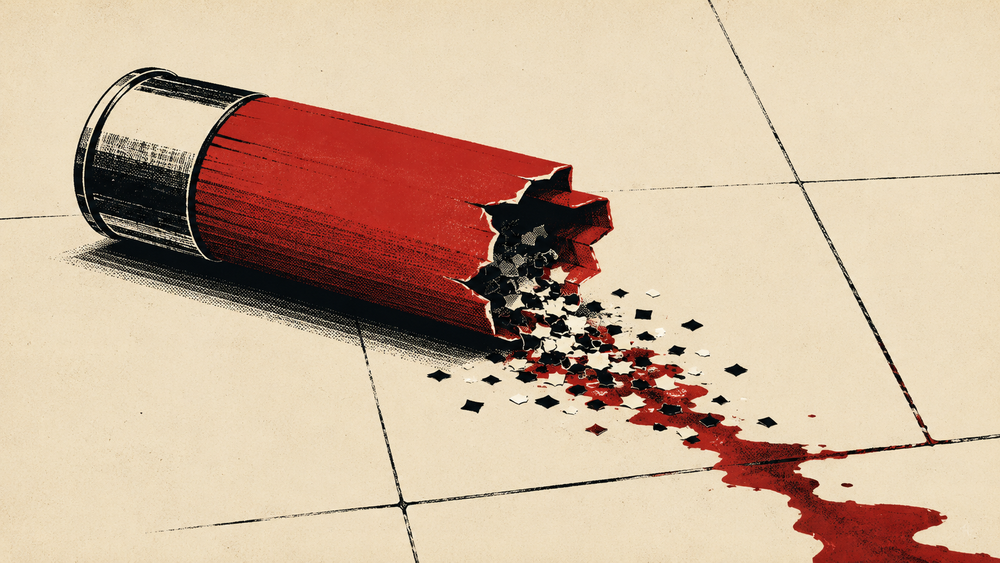
The Remington rides beside you in a hockey bag. The shells hold crimped paper where the shot should sit. You opened one with a thumbnail your first week, in a motel outside Ocala, and the crimp gave up wax and cardboard. You carry a shotgun full of confetti.
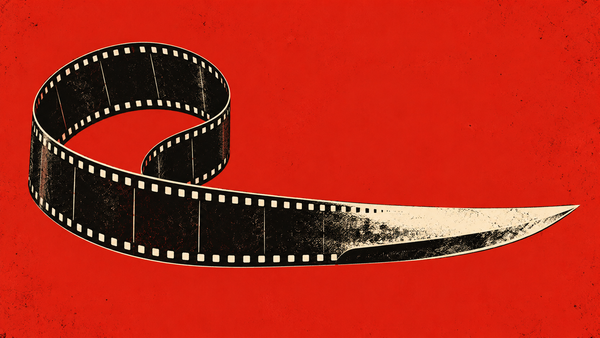
You trained two years at a conservatory in Boston. You played a corpse on network television for nine seconds, eyes open, while a detective read your name off a prop driver's license and never said it again. Casting said you had a trustworthy dead face. This job asks for more range. You have robbed a credit union in Brandon, two pharmacies, a funeral home, and a children's dance studio where the register held eleven dollars and a roll of star stickers. The staff always claps after. A woman at the funeral home hugged you with the shotgun still between you and thanked you for the worst thing she had ever survived. Coyle calls that customer satisfaction.
Coyle laminated the script so the sweat doesn't warp the card. The manager meets you at the loading dock with the waivers and a face he assembled in the parking lot. You read the lines in order because skipping ahead costs the client confidence and confidence is what the premium buys. You aim at drywall and pastry cases. Your finger lives flat along the receiver, and it never touches the trigger, because the trigger is where pretend ends. When the manager calls "curtain," you ground the weapon, and everybody exhales, and everybody drinks the coffee they pulled before you arrived. Everybody signs the waiver. Coyle staples the waivers to the invoice.
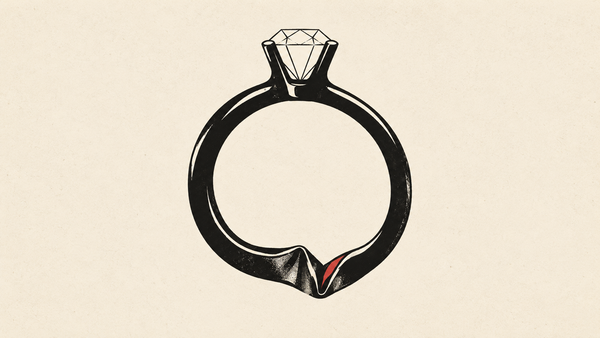
Your phone goes off against your thigh. You press the side button through the denim until the vibration dies. The screen would say Grace. It has said Grace nine times in six days. Her lawyer mailed a packet last month, and the packet wants your signature, and you decided the calls want whatever the packet wants. The marriage lasted eleven years. She kept the house. You kept the hockey bag. You have killed Grace nine times in six days, and the thumb does it now without asking you.
The Bellwether books you for 6:45 in the morning, staff only, cameras rolling. The order came through Coyle two weeks back with your name already printed on the talent line. Coyle said the client had seen the Brandon footage. You said fine. You have never watched the Brandon footage, and you did not ask how the client got hold of it, because asking is the kind of thinking that costs three hundred fifty dollars.
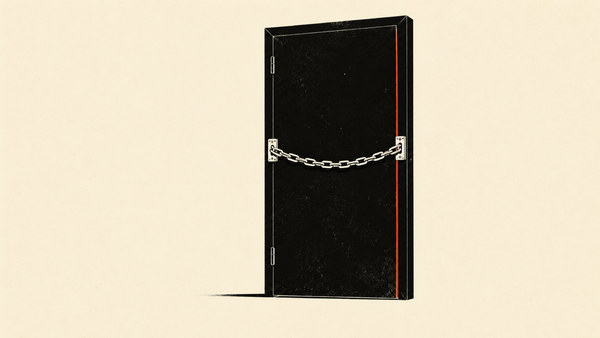
The dash clock reads 6:40 when you pull in behind the storefronts. Nobody meets you out back. You walk the alley around to the front, and the front door stands unlocked, and the brass bell over it rings once for you. Managers with new cameras want their money's worth.
Inside, the espresso machine hisses through its warm-up. The barista stands behind it, small inside her apron, the strings wrapped twice around her and still hanging long. A man sits at the window table in a navy windbreaker, holding a paperback and no coffee. Customers do not exist before open. You read him as a plant. Coyle sells a hero package for two hundred more, a second actor with a holster who teaches staff what crossfire costs, and Tampa handles those, and Tampa add-ons never print on your copy of the sheet. Surprise is the product. You give the man a professional nod. He turns a page.
The manager stays in back behind a shut office door. He upgraded the cameras last month and told Coyle he wanted the footage clean for the adjuster.
Your phone goes off against your thigh. You press the button through the denim the way you have pressed it all week. You are working.
You rack the pump in the doorway because the sound does half the work. The script says so.
Shk-shk.
"Phones. On the ground. Now."
The barista's hands leave the counter before the last word lands. Her fingers find a shelf underneath, and they find it without searching.
"Money. In the bag."
You throw the duffel. It clips the tip jar, and coins ring across the tile. The register springs open with its bright chime, and the drawer holds real money. Practice drawers hold bank-training bills, pink as candy. These twenties carry grease.
The man in the windbreaker closes his paperback.
You wait for Tampa's line. Tampa says, "Easy now, friend," and the staff learns where a second gun moves the room.
He says, "Drop it."
The Glock has already cleared his hip. His feet have set shoulder-wide. His finger has left the frame and found the trigger. Nobody who works for Coyle touches the trigger.
"Curtain," you say. "Curtain. Curtain."
Pop. Pop.
Real gunfire runs smaller than the foley. The floor arrives anyway.
You sit down against the pastry case without deciding to. The shotgun lands to your left and slides out of the light. Heat comes first. Pain takes a second to choose its route, then takes the shoulder and the chest together. A wet weight leans on you from inside. Stage blood runs thin and photographs bright. This spreads slow and dark and finds the grout lines, and the grout lines carry it off toward the counter in little canals.
The espresso machine reaches temperature and settles with a click. The morning goes on being a morning.
The barista holds her hands in the air, television-taught. Her face has gone the color of the cups. Nobody handed her a script. Her terror plays real because it is.
The man in the windbreaker crosses the room. His shoes stop at the edge of the blood and respect it. He crouches and studies you with an adjuster's patience.
He lifts your shotgun by the barrel and folds your right hand around the grip. He threads your finger through the guard and lays it on the trigger, the one place your finger has never lived. He handles you the way a father dresses a child for church.
Everybody signs the waiver. Nobody ever handed you one.
On the window table his phone lies face-up beside the paperback. The screen lights, and the name on it reads Grace. The photograph behind the name glows with a kitchen you know. You grouted that granite.
He lets it ring too.
He stands under the ceiling camera and projects. "He pointed it at me." He gives it twice for the microphone, and the second take comes out better. He looks at the barista. She studies the tile. Her hands stay up.
A siren picks up out on the boulevard, whoop, whoop, whoop, each one closer than the last. He checks his watch and lets it come.
Your own phone goes off against your thigh. It fights the denim like a trapped wasp. Your left hand drags it up into the light, and the glass takes your red fingerprints. Her name fills the screen, same as all week.
Maybe she calls to warn you. Maybe she calls to hear how it went. Nobody has said curtain.
The bell over the door has rung once all morning, and it rang for you.
You have killed Grace nine times in six days. Grace has killed you once.
The green circle waits at the bottom of the glass. Your thumb starts toward it.